- [Part I] You're here
- [Part II]
- [Part III]
- [Finale—coming soon]
- [Part I] You're here
- [Part II]
- [Part III]
- [Finale—coming soon]
Yes — you.
The one counting coins to pay rent while secretly dreaming of a future shaped by your own independent artist strategy.
The one looping your own track because outside your headphones, almost nobody is listening. The one wondering if you’re insane for wanting this life.
Let me tell you the truth no one likes to admit: you’re on your own.
And that’s the best news you’ll ever hear.
Because while you fantasize about stadiums, playlists, and some magical label swooping in to “save you,” you’re forgetting the only thing that really matters: your independence isn’t a curse. It’s your weapon.
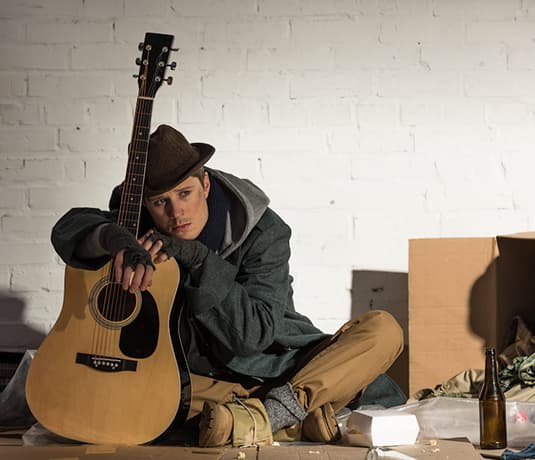

Independent Artist Strategy vs. The Mirage of the Fast Lane
Recently, I sat down with three different record labels.
I dropped my first track as an experiment — to see what would happen, to test the waters. What I found was brutally clear: the business model of many labels has changed. And not in favor of artists like you and me.
For them, a new artist isn’t a long-term bet worth nurturing. It’s a quick transaction. A chance to sell you a dream wrapped in a shiny PDF: thousands of streams, playlist placements, influencer shoutouts, flashy cover art. All at prices you could scrape together if you starved yourself long enough.
They call it pay-to-release. You pay, they slap their logo on your track, they promise you “exposure.” And nine times out of ten, you walk away poorer, disillusioned, and still unknown.
Stop. Breathe. Think.
That same money could build something far more powerful if you invested it in yourself.
Labels sell you shortcuts, but a real self-made artist path builds something that lasts.
If this resonates, step inside a community built on craft, iteration, and brutal honesty.
Apply to The Bootleg NationThe Formula Behind Every Independent Artist Strategy
Before you throw a cent at any label or “promotion package,” look at the names that define the last decade: Rosalía, Bad Bunny, Karol G.
None of them started their careers by selling their first song to a label. Their explosions didn’t come from a marketing bundle — they came from a simple, dangerous formula. This formula is the backbone of any serious independent musician roadmap.
Authentic Narrative + Artistic Risk + Ruthless Conviction = Genuine Connection
Only once they’d defined those pillars did the industry come running.
This echoes what Kevin Kelly framed years ago in his classic essay 1000 True Fans: sustainable artistry doesn’t need millions — just the right believers.
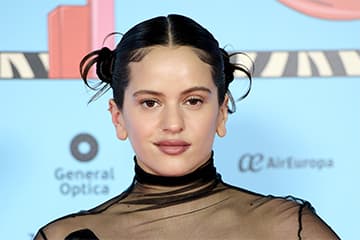
Rosalía didn’t just drop Malamente. She built a flamenco‑urban‑pop universe so cohesive it felt like a fever dream: Catholic imagery, skateboards, blood‑red nails, every shot of her videos screaming ritual and rebellion. She said, “This isn’t a track. This is a universe. Step inside.”
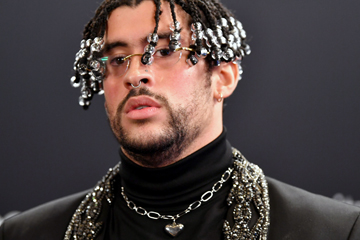
Bad Bunny wasn’t waiting for approval. From the start, he came with chipped nail polish, skirts, and lyrics that shattered the macho reggaetón script. When he danced in drag for Yo Perreo Sola, it wasn’t a stunt. It was a declaration: “This is me. Take it or fuck off.»

Karol G didn’t invent feminism. But she made millions of young women feel like they had a voice in a world that had silenced them. With her colors, her barrio pride, her unapologetic sensuality, she became a mirror where her fans could finally see themselves.
They didn’t sell songs. They sold worlds

Vulnerability as a Superpower
Here’s the real twist: their strength wasn’t perfection.
It was vulnerability.
- Rosalía saying she was broke, risking it all for El Mal Querer.
- Bad Bunny enduring hate for bending gender and still saying, “I’ll wear what the fuck I want.”
- Karol G admitting her scars and turning them into anthems.
The crack in the surface was the window where millions stepped in.
Want to see how those cracks translate into real paths? Read Part II.
Connect to Communicate Your World
So let’s call the game by its real name: a digital strategy isn’t about analytics or ad budgets.
It’s about building a world where people don’t just listen — they belong.
Even the platforms reward this approach: Spotify and CD Baby proves that cultural worlds outperform ads.
Your themes — identity, desire, rebellion — are not just lyrics. They’re weapons.
Your visuals are not decoration. They’re altars.
Your performance is not a show. It’s a ritual.
Numbers will follow.
But universes come first.
Your Independent Artist Strategy: Make Your Move
Forget the mirage of playlists and quick wins. Ask yourself:
-
What story bleeds from your music?
-
What risk are you willing to take that no one else dares?
-
How much conviction do you carry when the room is empty?
Because if you get this right — the narrative, the risk, the conviction — the world won’t just stream your music. They’ll live inside it.
And when the right label finally knocks? They won’t be offering you a shot. They’ll be begging for a seat in the universe you already built.


The Next Step: Building Your Cult
Once you’ve carved a narrative that bleeds and the conviction to defend it, the next move isn’t a playlist. It’s people.
Not bots. Not empty streams. People. The first believers. The ones who hear your sound and think: this is mine.
No pay‑to‑release package can manufacture that. But the money you were about to throw into the void? That can be your weapon to find those early adopters — the nucleus of your future community.
Figuring out who they are, where they live, and how to speak their language is an art in itself. It’s the most crucial step to transform your artistic vision into a living, breathing movement.
That’s why your DIY music strategy must focus on finding the first believers, not chasing fake numbers.
I’ve gone deeper into this — the roadmap to building your digital strategy from scratch — in the next part of this series, available exclusively to my newsletter subscribers.
If you want in, if you want to learn how to build not just an audience but a cult around your sound, sign up here:
- [Part I] You're here
- [Part II]
- [Part III]
- [Finale—coming soon]
- [Part I] You're here
- [Part II]
- [Part III]
- [Finale—coming soon]